

 Logout
 Lesbian Couple’s Harrowing Journey Shines Light on Continuing Dangers of ‘Conversion Therapy’
The Kerala high court’s response in the case involving Afeefa and Sumayya Sherin points to blind spots in the judiciary’s understanding of threats queer people face and law enforcement’s skewed perspective on the matter.
Ernakulam: The dangers and immorality of using ‘conversion therapy’ on LGBTQIA+ individuals – highlighted across the world – were brought forth in Kerala recently, in the case involving lesbian couple Afeefa and Sumayya Sherin. The case also points to blind spots in the judiciary’s understanding of threats queer people face.
Speaking to The Wire on the phone July 5, Afeefa described the aftermath of the forced conversion therapy her family made her undergo at a private hospital in Kozhikode. “I was unable to feel my legs while walking. I was forcefully medicated,” the 21 year old said. She paused multiple times as she spoke. In the hospital, she said, she was forcefully injected with medication after she refused to take them orally. “My appetite and sleeping patterns have been affected,” she said.
“As long as I was in the hospital, as days went on from 10 to 15, the dosage increased. Sumayya had already told the media that I will be subjected to conversion therapy,” Afeefa continued.
Today, Afeefa and Sumayya are together again – but the road here has been hard, and they still feel the effects of the violence Afeefa was subjected to.

.png?v=9bf209ff21)
 Dec 23, 2022
 10:58 AM

The Kerala high court’s response in the case involving Afeefa and Sumayya Sherin points to blind spots in the judiciary’s understanding of threats queer people face and law enforcement’s skewed perspective on the matter.
Ernakulam: The dangers and immorality of using ‘conversion therapy’ on LGBTQIA+ individuals – highlighted across the world – were brought forth in Kerala recently, in the case involving lesbian couple Afeefa and Sumayya Sherin. The case also points to blind spots in the judiciary’s understanding of threats queer people face.
Speaking to The Wire on the phone July 5, Afeefa described the aftermath of the forced conversion therapy her family made her undergo at a private hospital in Kozhikode. “I was unable to feel my legs while walking. I was forcefully medicated,” the 21 year old said. She paused multiple times as she spoke. In the hospital, she said, she was forcefully injected with medication after she refused to take them orally. “My appetite and sleeping patterns have been affected,” she said.
“As long as I was in the hospital, as days went on from 10 to 15, the dosage increased. Sumayya had already told the media that I will be subjected to conversion therapy,” Afeefa continued.
Today, Afeefa and Sumayya are together again – but the road here has been hard, and they still feel the effects of the violence Afeefa was subjected to.

The Kerala high court’s response in the case involving Afeefa and Sumayya Sherin points to blind spots in the judiciary’s understanding of threats queer people face and law enforcement’s skewed perspective on the matter.
Ernakulam: The dangers and immorality of using ‘conversion therapy’ on LGBTQIA+ individuals – highlighted across the world – were brought forth in Kerala recently, in the case involving lesbian couple Afeefa and Sumayya Sherin. The case also points to blind spots in the judiciary’s understanding of threats queer people face.
Speaking to The Wire on the phone July 5, Afeefa described the aftermath of the forced conversion therapy her family made her undergo at a private hospital in Kozhikode. “I was unable to feel my legs while walking. I was forcefully medicated,” the 21 year old said. She paused multiple times as she spoke. In the hospital, she said, she was forcefully injected with medication after she refused to take them orally. “My appetite and sleeping patterns have been affected,” she said.
“As long as I was in the hospital, as days went on from 10 to 15, the dosage increased. Sumayya had already told the media that I will be subjected to conversion therapy,” Afeefa continued.
Today, Afeefa and Sumayya are together again – but the road here has been hard, and they still feel the effects of the violence Afeefa was subjected to.
The Kerala high court’s response in the case involving Afeefa and Sumayya Sherin points to blind spots in the judiciary’s understanding of threats queer people face and law enforcement’s skewed perspective on the matter.
Ernakulam: The dangers and immorality of using ‘conversion therapy’ on LGBTQIA+ individuals – highlighted across the world – were brought forth in Kerala recently, in the case involving lesbian couple Afeefa and Sumayya Sherin. The case also points to blind spots in the judiciary’s understanding of threats queer people face.
Speaking to The Wire on the phone July 5, Afeefa described the aftermath of the forced conversion therapy her family made her undergo at a private hospital in Kozhikode. “I was unable to feel my legs while walking. I was forcefully medicated,” the 21 year old said. She paused multiple times as she spoke. In the hospital, she said, she was forcefully injected with medication after she refused to take them orally. “My appetite and sleeping patterns have been affected,” she said.
“As long as I was in the hospital, as days went on from 10 to 15, the dosage increased. Sumayya had already told the media that I will be subjected to conversion therapy,” Afeefa continued.
Today, Afeefa and Sumayya are together again – but the road here has been hard, and they still feel the effects of the violence Afeefa was subjected to.

The Kerala high court’s response in the case involving Afeefa and Sumayya Sherin points to blind spots in the judiciary’s understanding of threats queer people face and law enforcement’s skewed perspective on the matter.
Ernakulam: The dangers and immorality of using ‘conversion therapy’ on LGBTQIA+ individuals – highlighted across the world – were brought forth in Kerala recently, in the case involving lesbian couple Afeefa and Sumayya Sherin. The case also points to blind spots in the judiciary’s understanding of threats queer people face.
Speaking to The Wire on the phone July 5, Afeefa described the aftermath of the forced conversion therapy her family made her undergo at a private hospital in Kozhikode. “I was unable to feel my legs while walking. I was forcefully medicated,” the 21 year old said. She paused multiple times as she spoke. In the hospital, she said, she was forcefully injected with medication after she refused to take them orally. “My appetite and sleeping patterns have been affected,” she said.
“As long as I was in the hospital, as days went on from 10 to 15, the dosage increased. Sumayya had already told the media that I will be subjected to conversion therapy,” Afeefa continued.
Today, Afeefa and Sumayya are together again – but the road here has been hard, and they still feel the effects of the violence Afeefa was subjected to.
Follow News:


The Kerala high court’s response in the case involving Afeefa and Sumayya Sherin points to blind spots in the judiciary’s understanding of threats queer people face and law enforcement’s skewed perspective on the matter.
Ernakulam: The dangers and immorality of using ‘conversion therapy’ on LGBTQIA+ individuals – highlighted across the world – were brought forth in Kerala recently, in the case involving lesbian couple Afeefa and Sumayya Sherin. The case also points to blind spots in the judiciary’s understanding of threats queer people face.
Speaking to The Wire on the phone July 5, Afeefa described the aftermath of the forced conversion therapy her family made her undergo at a private hospital in Kozhikode. “I was unable to feel my legs while walking. I was forcefully medicated,” the 21 year old said. She paused multiple times as she spoke. In the hospital, she said, she was forcefully injected with medication after she refused to take them orally. “My appetite and sleeping patterns have been affected,” she said.
“As long as I was in the hospital, as days went on from 10 to 15, the dosage increased. Sumayya had already told the media that I will be subjected to conversion therapy,” Afeefa continued.
Today, Afeefa and Sumayya are together again – but the road here has been hard, and they still feel the effects of the violence Afeefa was subjected to.

also read
MOST READ News
-
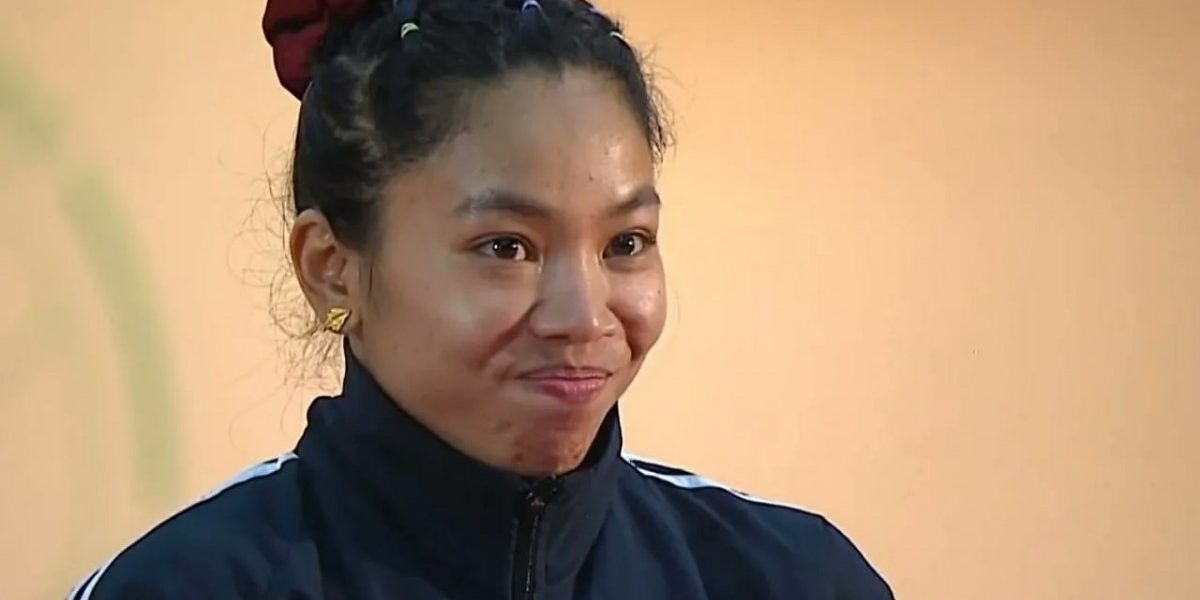
Olympic Medallist Mirabai Chanu Appeals to Modi, Shah to Bring Peace in Manipur
2023-07-31T08:14:27.000+00:00
2023-07-31T08:14:27.000+00:00
-
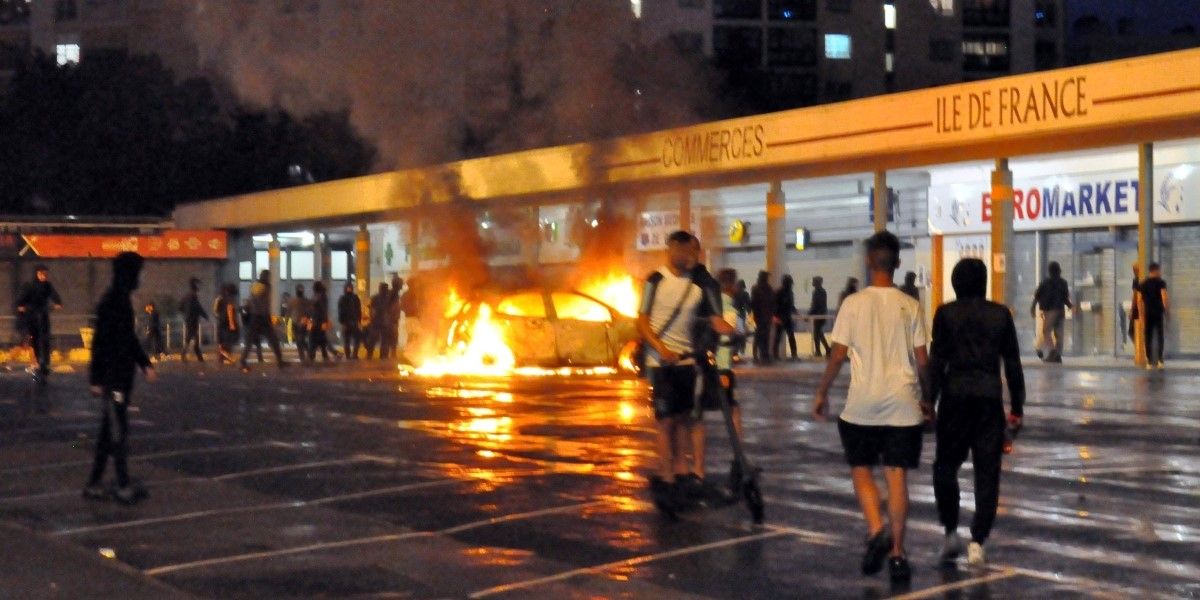
Ananta Rai has been demanding for a separate state of ‘Greater Cooch Behar’ carved out of West Bengal.
2023-07-31T08:13:21.000+00:00
2023-07-31T08:13:21.000+00:00
-

Afghan Singer Hasiba Noori Killed in Attack by Unknown Gunmen in Pakistan
2023-07-31T08:13:06.000+00:00
2023-07-31T08:13:06.000+00:00

editor pic
-
Japan To Release 1.3 Million Tonnes Of Water Used During Fukushima Nuclear Accident
2023-07-28T11:55:00.000+00:00
2023-07-28T11:55:00.000+00:00
-

(Untitled)
1 min read
2023-07-12T10:34:18.000+00:00
2023-07-12T10:34:18.000+00:00
-

(Untitled)
1 min read
2023-07-12T10:34:10.000+00:00
2023-07-12T10:34:10.000+00:00
