

 Logout
 A Canadian Lake Holds the Key to the Beginning of the Anthropocene Epoch
Since its formation, the Anthropocene Working Group has evaluated various types of physical, chemical and biological evidence preserved in sediments and rocks, and it has published numerous scientific papers that have explored their nature and relevance.
These studies have concluded that the Anthropocene is significant on a geologic scale because of the rapidity and magnitude of recent human impacts on processes operating on the Earth’s surface. Many of these impacts have generated irreversible changes that exceed the small range of natural variability of the Holocene, which began 11,700 years ago.

.png?v=9bf209ff21)
 Dec 23, 2022
 9:23 AM
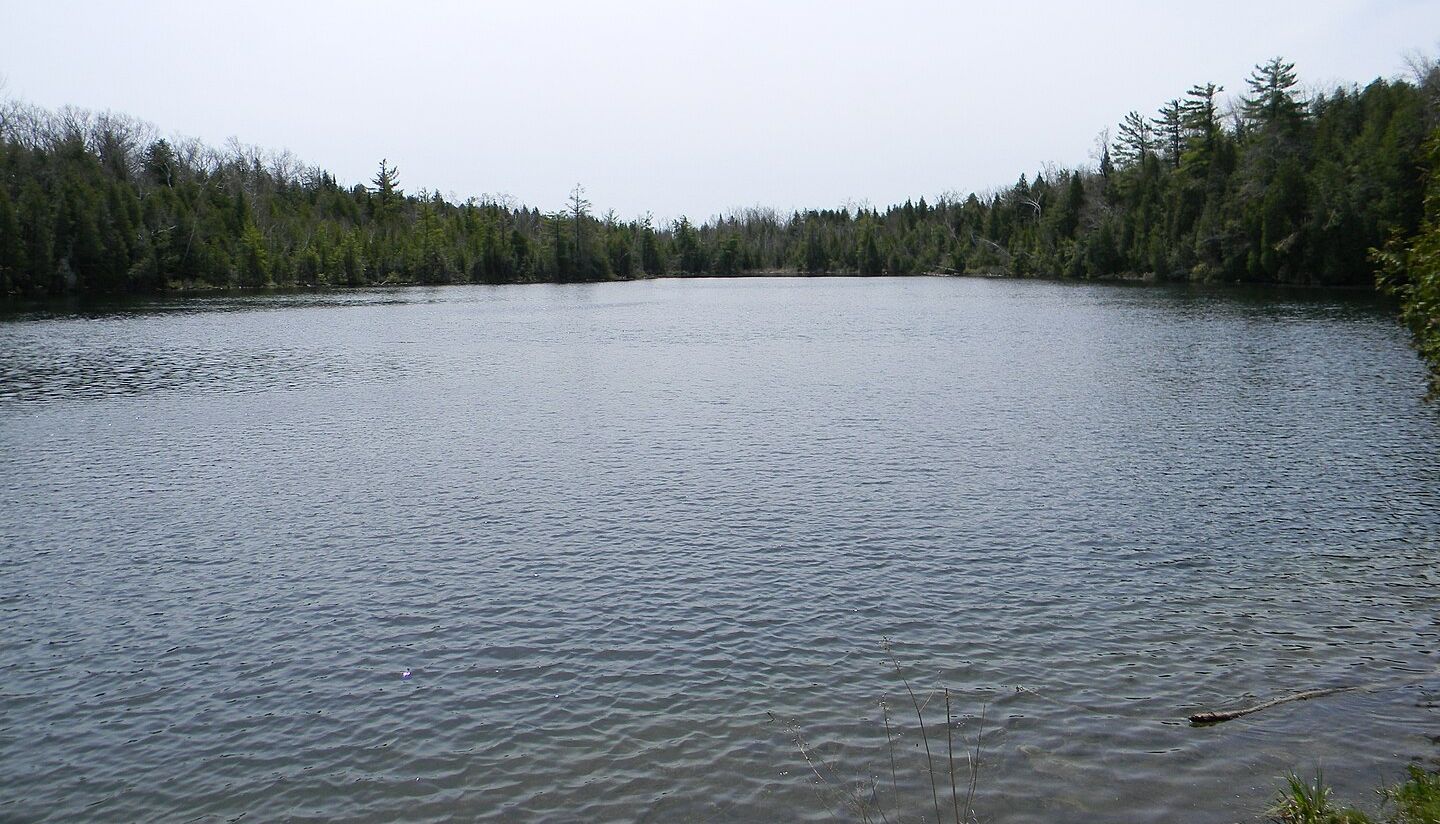
Since its formation, the Anthropocene Working Group has evaluated various types of physical, chemical and biological evidence preserved in sediments and rocks, and it has published numerous scientific papers that have explored their nature and relevance.
These studies have concluded that the Anthropocene is significant on a geologic scale because of the rapidity and magnitude of recent human impacts on processes operating on the Earth’s surface. Many of these impacts have generated irreversible changes that exceed the small range of natural variability of the Holocene, which began 11,700 years ago.

Since its formation, the Anthropocene Working Group has evaluated various types of physical, chemical and biological evidence preserved in sediments and rocks, and it has published numerous scientific papers that have explored their nature and relevance.
These studies have concluded that the Anthropocene is significant on a geologic scale because of the rapidity and magnitude of recent human impacts on processes operating on the Earth’s surface. Many of these impacts have generated irreversible changes that exceed the small range of natural variability of the Holocene, which began 11,700 years ago.
Since its formation, the Anthropocene Working Group has evaluated various types of physical, chemical and biological evidence preserved in sediments and rocks, and it has published numerous scientific papers that have explored their nature and relevance.
These studies have concluded that the Anthropocene is significant on a geologic scale because of the rapidity and magnitude of recent human impacts on processes operating on the Earth’s surface. Many of these impacts have generated irreversible changes that exceed the small range of natural variability of the Holocene, which began 11,700 years ago.

Since its formation, the Anthropocene Working Group has evaluated various types of physical, chemical and biological evidence preserved in sediments and rocks, and it has published numerous scientific papers that have explored their nature and relevance.
These studies have concluded that the Anthropocene is significant on a geologic scale because of the rapidity and magnitude of recent human impacts on processes operating on the Earth’s surface. Many of these impacts have generated irreversible changes that exceed the small range of natural variability of the Holocene, which began 11,700 years ago.
Follow News:


Since its formation, the Anthropocene Working Group has evaluated various types of physical, chemical and biological evidence preserved in sediments and rocks, and it has published numerous scientific papers that have explored their nature and relevance.
These studies have concluded that the Anthropocene is significant on a geologic scale because of the rapidity and magnitude of recent human impacts on processes operating on the Earth’s surface. Many of these impacts have generated irreversible changes that exceed the small range of natural variability of the Holocene, which began 11,700 years ago.

also read
MOST READ News
-

Olympic Medallist Mirabai Chanu Appeals to Modi, Shah to Bring Peace in Manipur
2023-07-31T08:14:27.000+00:00
2023-07-31T08:14:27.000+00:00
-

Ananta Rai has been demanding for a separate state of ‘Greater Cooch Behar’ carved out of West Bengal.
2023-07-31T08:13:21.000+00:00
2023-07-31T08:13:21.000+00:00
-

Afghan Singer Hasiba Noori Killed in Attack by Unknown Gunmen in Pakistan
2023-07-31T08:13:06.000+00:00
2023-07-31T08:13:06.000+00:00

editor pic
-

Japan To Release 1.3 Million Tonnes Of Water Used During Fukushima Nuclear Accident
2023-07-28T11:55:00.000+00:00
2023-07-28T11:55:00.000+00:00
-

(Untitled)
1 min read
2023-07-12T10:34:18.000+00:00
2023-07-12T10:34:18.000+00:00
-

(Untitled)
1 min read
2023-07-12T10:34:10.000+00:00
2023-07-12T10:34:10.000+00:00
